Fukushima Waste / Z3okxvojdxxk M - Measurements off the coast of japan in 2011 identified radioactive cesium from the fukushima incident throughout the food web, with higher levels in organisms closer to shore.
Fukushima Waste / Z3okxvojdxxk M - Measurements off the coast of japan in 2011 identified radioactive cesium from the fukushima incident throughout the food web, with higher levels in organisms closer to shore.. The decision to release waste water from the nuclear plant that was hit by a devastating earthquake and tsunami in 2011 has triggered a backlash from neighbouring countries. The event was caused by the 2011 tōhoku earthquake and tsunami. Eight years on, the disaster zone. The iaea welcomes that specific milestones on fuel debris retrieval, fuel removal from the 6 sfps, contaminated water management and other activities have been set in the. Prime minister yoshihide suga told top fisheries association officials on.
Revision of the solid waste storage management plan. The operator of the ruined fukushima daiichi nuclear power plant will have to dump huge quantities of contaminated water from the site directly into the pacific ocean, japan's environment minister. Speaking on friday, chinese foreign ministry spokesman zhao lijian said. It was the most severe nuclear accident since the chernobyl disaster in 1986. To cool radioactive fuel cores at the damaged fukushima nuclear plant, japan had pumped 1.2 million tons of water through the rods and this water became contaminated with radioactive tritium.
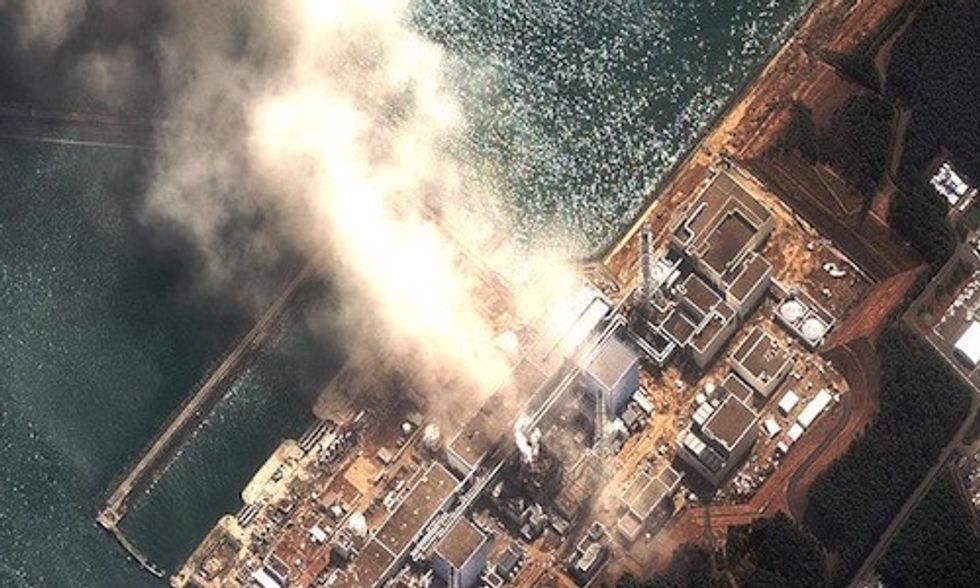
Japan to dump waste water into sea what are the possible consequences?
Japan to release fukushima's nuclear waste water into sea. 3, left, and 4 at the fukushima daiichi nuclear power plant in okuma town, fukushima prefecture. 27, 2021, file photo, the pacific ocean looks over nuclear reactor units of no. Fukushima accident, also called fukushima nuclear accident or fukushima daiichi nuclear accident, accident in 2011 at the fukushima daiichi (number one) plant in northern japan, the second worst nuclear accident in the history of nuclear power generation. Eight years on, the disaster zone. A study has linked carbon isotopes in seals off the coast of scotland, for instance, to material released from a nuclear waste disposal site at sellafield, england. This disabled 12 of 13 backup generators onsite and also the heat exchangers for dumping reactor waste heat and decay heat to the sea. Speaking on friday, chinese foreign ministry spokesman zhao lijian said. Measurements off the coast of japan in 2011 identified radioactive cesium from the fukushima incident throughout the food web, with higher levels in organisms closer to shore. Fukushima, nine years after devastation 04:29. How the ocean became a dumping ground for radioactive waste the nuclear disaster at fukushima sent an unprecedented amount of radiation into the pacific. The japanese government has decided to dispose of massive amounts of treated but still radioactive water stored in tanks at the wrecked fukushima nuclear plant by releasing it into the pacific ocean, local media reported friday, a conclusion widely expected but delayed for years amid protests and safety concerns. Eight years have passed since a tsunami smashed into the fukushima daiichi nuclear plant in japan, sparking a meltdown and the worst atomic crisis since chernobyl.
Posts about waste water written by admin. 3, left, and 4 at the fukushima daiichi nuclear power plant in okuma town, fukushima prefecture. 후쿠시마원전 방사성 오염 폐기물 하기비스 홍수에 유실the most powerful typhoon to hit japan in decades has left more than 30 people dead and 19 missing.as typhoon hagibis. China on monday expressed concern over the disposal of waste from japan's fukushima nuclear power plant into the sea. A study has linked carbon isotopes in seals off the coast of scotland, for instance, to material released from a nuclear waste disposal site at sellafield, england.

후쿠시마원전 방사성 오염 폐기물 하기비스 홍수에 유실the most powerful typhoon to hit japan in decades has left more than 30 people dead and 19 missing.as typhoon hagibis.
The japanese government on tuesday approved plans to release more than 1 million metric tons (1.1 million us tons) of radioactive water from the damaged fuku. Japan will release more than a million tonnes of treated water from the stricken fukushima nuclear plant into the ocean, the government said tuesday, triggering a furious reaction from china and. Japan to release fukushima's nuclear waste water into sea. Since there's been no health or environmental effects from any of these larger sources, it's hard to get excited about dumping such a tiny amount from fukushima into the ocean. Measurements off the coast of japan in 2011 identified radioactive cesium from the fukushima incident throughout the food web, with higher levels in organisms closer to shore. The fukushima disaster cleanup is an ongoing attempt to limit radioactive contamination from the three nuclear reactors involved in the fukushima daiichi nuclear disaster that followed the earthquake and tsunami on 11 march 2011. To cool radioactive fuel cores at the damaged fukushima nuclear plant, japan had pumped 1.2 million tons of water through the rods and this water became contaminated with radioactive tritium. Fukushima, nine years after devastation 04:29. Revision of the solid waste storage management plan. Fukushima accident, also called fukushima nuclear accident or fukushima daiichi nuclear accident, accident in 2011 at the fukushima daiichi (number one) plant in northern japan, the second worst nuclear accident in the history of nuclear power generation. 05/08/2017 / by amy goodrich. The iaea welcomes that specific milestones on fuel debris retrieval, fuel removal from the 6 sfps, contaminated water management and other activities have been set in the. Inside a giant decontamination facility at the destroyed fukushima nuclear power plant, workers in hazmat suits monitor radioactive.
Fukushima accident, also called fukushima nuclear accident or fukushima daiichi nuclear accident, accident in 2011 at the fukushima daiichi (number one) plant in northern japan, the second worst nuclear accident in the history of nuclear power generation. The chinese foreign ministry has said the international community is watching japan and called on tokyo to fulfil its international responsibilities as the government there mulls discharging nuclear wastewater into the sea. Fukushima, nine years after devastation 04:29. 3, left, and 4 at the fukushima daiichi nuclear power plant in okuma town, fukushima prefecture. Inside a giant decontamination facility at the destroyed fukushima nuclear power plant, workers in hazmat suits monitor radioactive.

China has expressed grave concern to japan through diplomatic channels.
Fukushima accident, also called fukushima nuclear accident or fukushima daiichi nuclear accident, accident in 2011 at the fukushima daiichi (number one) plant in northern japan, the second worst nuclear accident in the history of nuclear power generation. Safety of fukushima waste water focus of sea release debate. The site is on japan's pacific coast, in northeastern fukushima prefecture about 100 km (60 miles) south of sendai. 27, 2021, file photo, the pacific ocean looks over nuclear reactor units of no. South korea has retained a ban on imports of seafood from the fukushima region that was imposed after the nuclear disaster and. This disabled 12 of 13 backup generators onsite and also the heat exchangers for dumping reactor waste heat and decay heat to the sea. Measurements off the coast of japan in 2011 identified radioactive cesium from the fukushima incident throughout the food web, with higher levels in organisms closer to shore. The event was caused by the 2011 tōhoku earthquake and tsunami. 3, left, and 4 at the fukushima daiichi nuclear power plant in okuma town, fukushima prefecture. But, before then, atomic bomb. To cool radioactive fuel cores at the damaged fukushima nuclear plant, japan had pumped 1.2 million tons of water through the rods and this water became contaminated with radioactive tritium. Eight years have passed since a tsunami smashed into the fukushima daiichi nuclear plant in japan, sparking a meltdown and the worst atomic crisis since chernobyl. The operator of the ruined fukushima daiichi nuclear power plant will have to dump huge quantities of contaminated water from the site directly into the pacific ocean, japan's environment minister.


Komentar
Posting Komentar